


Business Loan Services: A Complete Guide for Business Owners
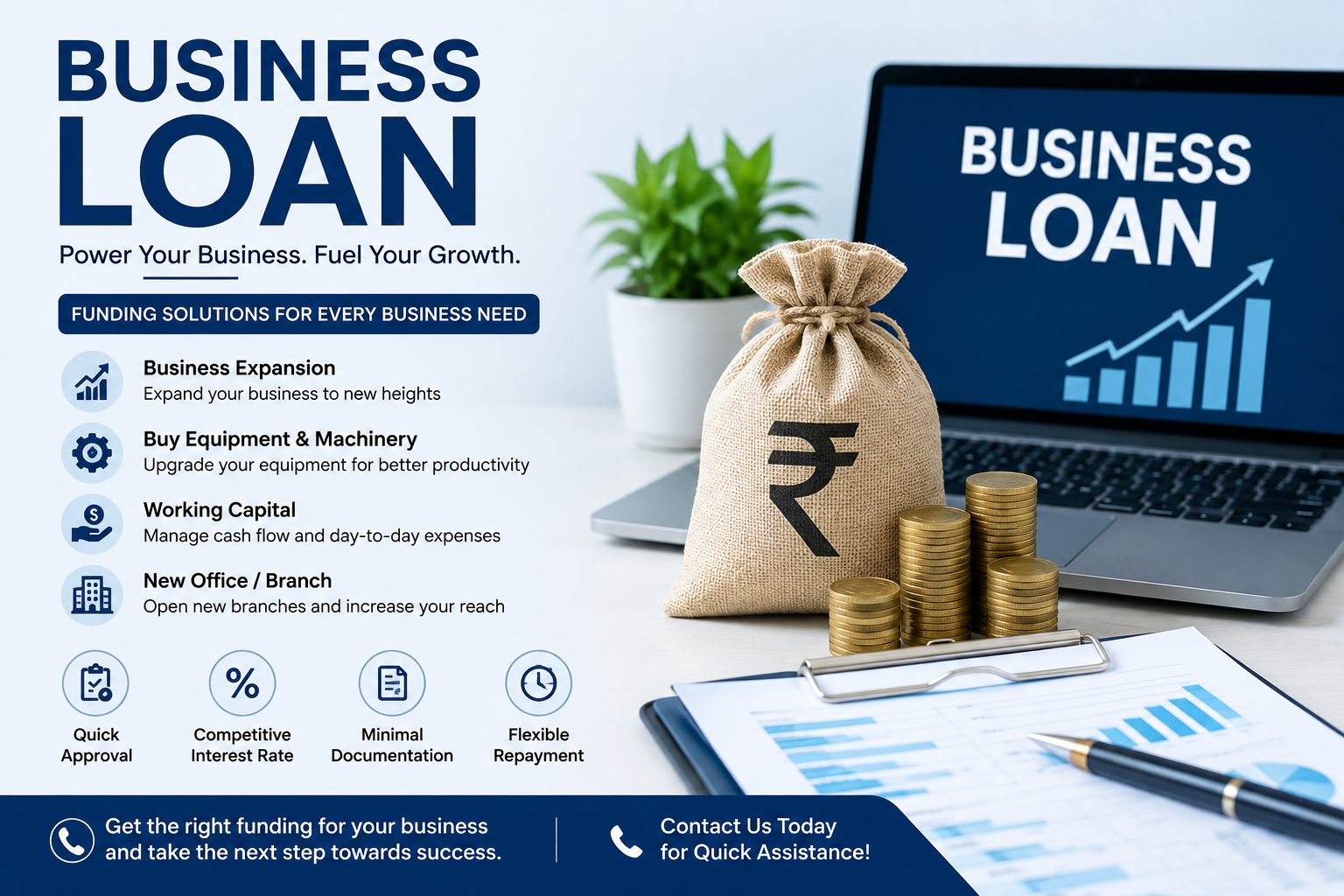
Running and growing a business often requires additional funds. Whether you want to expand your business, purchase equipment, manage working capital, increase inventory, or open a new branch, a business loan can provide the financial support you need.
A professional loan service provider can help business owners understand different financing options and connect them with suitable lenders based on their business profile and financial requirements.
What Is a Business Loan?
A business loan is financing provided to an eligible business by a bank, NBFC, or other financial institution. The borrowed amount is generally repaid through regular installments along with applicable interest and charges.
Depending on the lender and product, business loans may be available as secured or unsecured financing.
Why Do Businesses Need Loans?
Businesses may require financing for many purposes, including:
- Business expansion
- Working capital requirements
- Purchase of machinery and equipment
- Inventory and stock purchase
- Office or shop renovation
- Opening a new branch
- Managing cash-flow requirements
- Purchasing commercial property
- Debt restructuring or business-related financial requirements
Choosing the right loan structure can help businesses manage their finances while supporting future growth.
Types of Business Loans
1. Secured Business Loan
A secured business loan is backed by eligible collateral or property. Depending on the lender’s policies, secured financing may offer higher loan amounts and longer repayment periods.
2. Unsecured Business Loan
An unsecured business loan generally does not require property or other major collateral. Eligibility may depend on factors such as business turnover, credit history, banking transactions, profitability, and business vintage.
3. Working Capital Loan
Working capital finance can help businesses manage short-term operational expenses such as inventory, salaries, supplier payments, and other regular business costs.
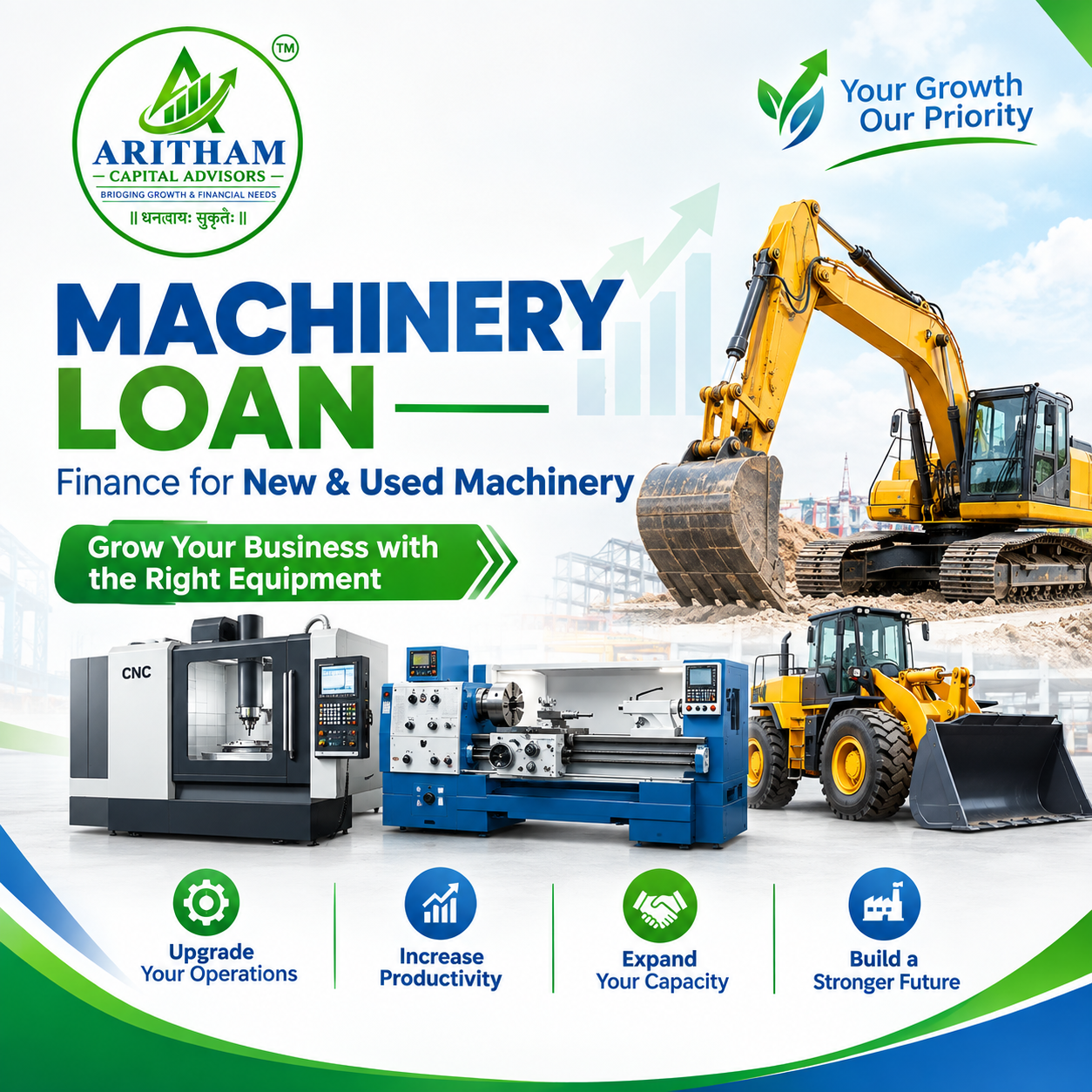
4. Machinery and Equipment Finance
Businesses that need new machinery, technology, vehicles, or other equipment may explore specialized financing options designed for asset purchases.
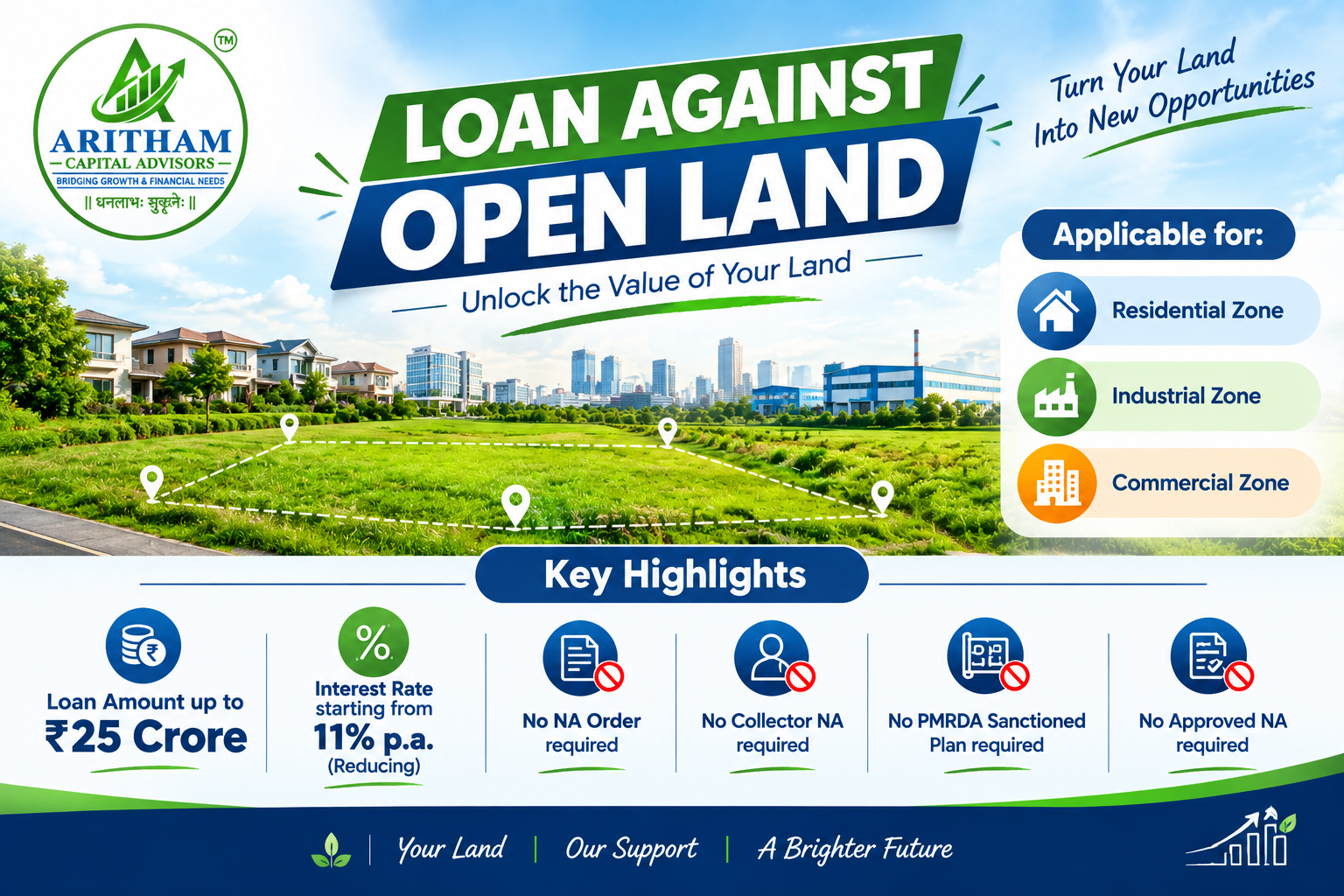
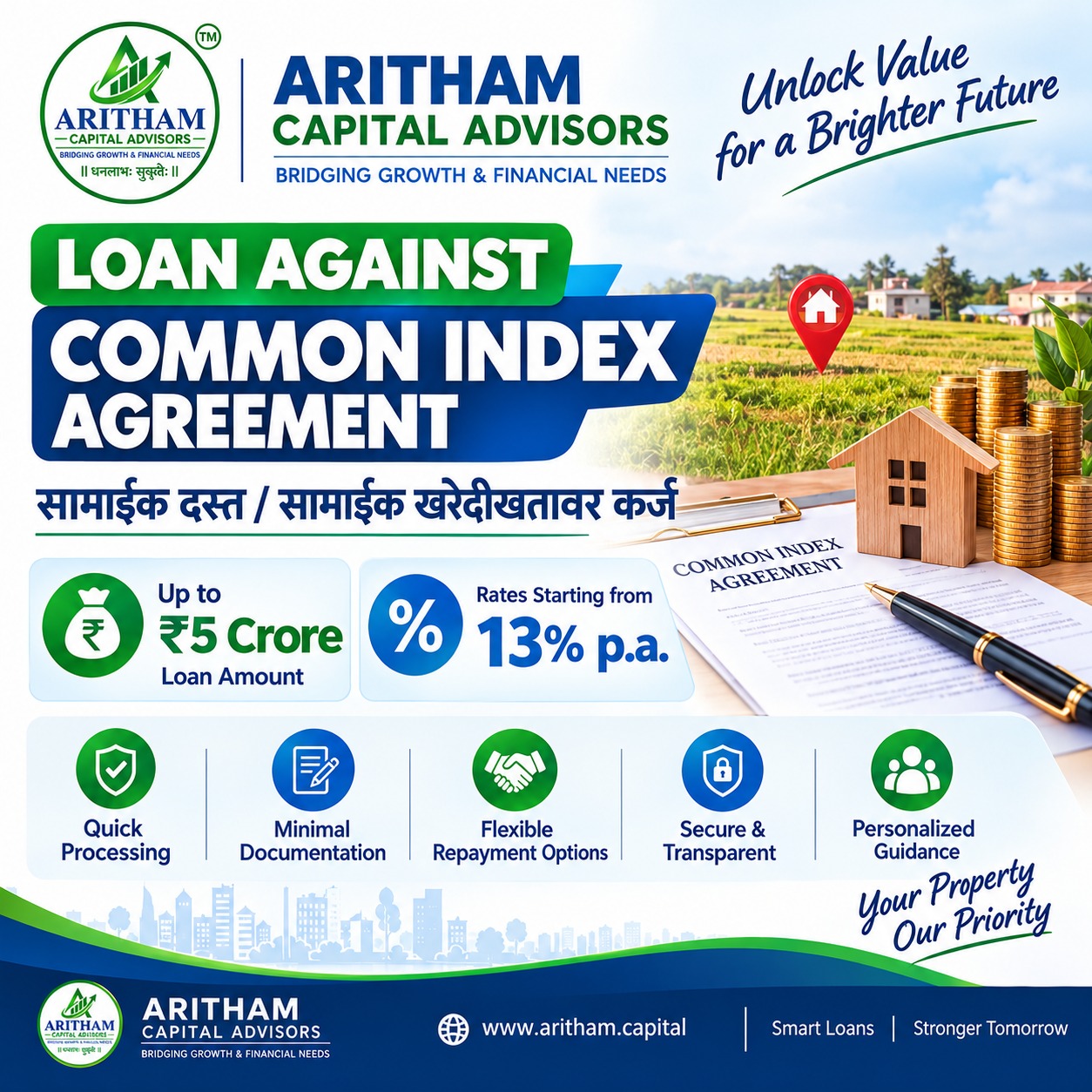
5. Loan Against Property
Business owners who own eligible residential or commercial property may be able to explore financing against property, subject to lender eligibility and valuation requirements.
How Can a Loan Service Provider Help?
A loan service provider or financial consultant can simplify the financing process by helping customers:
- Understand available loan options.
- Assess basic eligibility.
- Identify suitable lending products.
- Prepare required documentation.
- Submit the application to the appropriate lender.
- Coordinate during the application process.
- Understand applicable interest rates, fees, tenure, and repayment terms.
The final approval, loan amount, interest rate, and terms are determined by the respective lender based on its policies and assessment.
Documents Commonly Required
Requirements vary by lender and loan product, but businesses may commonly be asked for:
- PAN and identity documents
- Address proof
- Business registration documents
- GST registration and returns, where applicable
- Income Tax Returns
- Bank statements
- Financial statements
- Business ownership documents
- Property documents for secured loans
- Other documents requested by the lender
Providing accurate and complete information can help make the application process smoother.
How to Choose the Right Business Loan
Before selecting a loan, consider:
Loan Amount: Borrow an amount that matches your genuine business requirement.
Interest Rate: Compare the applicable interest rate and understand whether it is fixed, floating, or otherwise structured.
Repayment Tenure: A longer tenure may reduce the monthly repayment but can increase the overall interest cost.
Processing Fees: Check processing fees, documentation charges, valuation charges, and other applicable costs.
Prepayment Terms: Understand the lender’s rules regarding part-prepayment or foreclosure.
Collateral Requirements: Check whether the loan requires property or another form of security.
Business Loan Eligibility
Eligibility differs between lenders. Factors that may be considered include:
- Business vintage
- Annual turnover
- Profitability
- Banking history
- Credit profile
- Existing liabilities
- Business constitution
- Nature of business
- Required loan amount
- Available collateral, where applicable
Meeting basic eligibility criteria does not guarantee loan approval. The final decision rests with the lender.
Steps to Apply for a Business Loan
The general process is:
Step 1 – Requirement Assessment
Determine how much funding your business needs and why you need it.
Step 2 – Explore Loan Options
Compare suitable secured and unsecured financing options.
Step 3 – Check Eligibility
Review the basic requirements of the selected lender or loan product.
Step 4 – Prepare Documents
Keep financial, business, banking, identity, and other required documents ready.
Step 5 – Submit Application
Submit the application and required information to the lender.
Step 6 – Lender Assessment
The lender evaluates the application, financial profile, documents, and other relevant factors.
Step 7 – Approval and Disbursement
If approved, the lender provides the sanction and loan documentation. Funds are disbursed according to the lender’s terms and conditions.
Why Work With a Professional Loan Service Provider?
Finding the right financing option can sometimes be complicated because different lenders have different eligibility criteria, interest rates, documentation requirements, and loan structures.
A professional loan service provider can help customers navigate available options and understand the financing process more clearly.
However, customers should independently review the lender’s sanction letter, applicable charges, repayment schedule, terms and conditions, and other loan documents before accepting financing.
Frequently Asked Questions
What is the difference between a secured and unsecured business loan?
A secured business loan generally requires eligible collateral, while an unsecured business loan generally does not require major collateral. Eligibility and terms depend on the lender.
Can a new business get a business loan?
Some lenders offer financing to newer businesses, while others require a minimum business vintage. Eligibility depends on the lender and the applicant’s financial profile.
How much business loan can I get?
The loan amount depends on factors such as business income, turnover, profitability, credit profile, repayment capacity, collateral, and the lender’s policies.
Does a business loan require collateral?
Not always. Some business loans are unsecured, while secured loans require eligible collateral.
How long does business loan approval take?
Processing time varies depending on the lender, loan product, documentation, verification, and credit assessment.
Conclusion
A business loan can be an important financial tool for entrepreneurs and business owners looking to manage cash flow, purchase assets, expand operations, or pursue new growth opportunities.
Before applying, compare different financing options, understand the total cost of borrowing, check repayment affordability, and review all lender terms carefully.
A reliable loan service provider can help you understand available options and guide you through the application process, while the final approval and loan terms remain subject to the respective lender’s policies and assessment.
Looking for Business Finance?
If you are planning business expansion, need working capital, or require funding for business-related requirements, connect with a professional loan service provider to explore suitable financing options.